Note · · 2 min read
An Agent Completing a Form Is Not Proof It Understood the User
Mapping a beginner-class enquiry made me look beyond whether an agent could simply finish the form.
I mapped how one of my own websites might help someone find a suitable beginner Tai Chi class and start an enquiry.
For a person, that involves more than finding a form. They need to know where the class is held, whether it suits a beginner, what happens next and what information they are about to send.
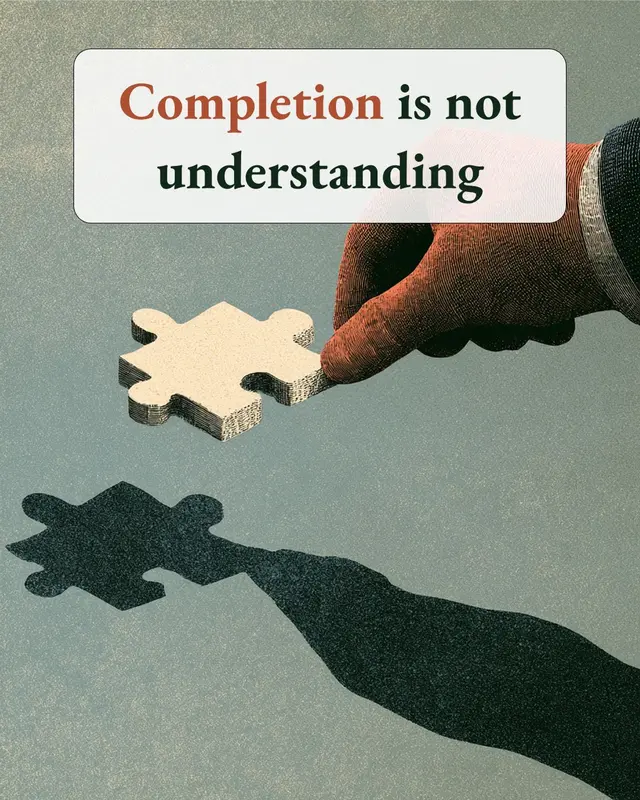
An agent could navigate the pages, select an option, fill in the fields and press submit. From an automation perspective, the task would be complete.
But completion is not proof that the agent understood the person.
Did it preserve the difference between curiosity and a booking request? Did it choose the right class and location? Did the person see the final message before it was sent? Could they correct or withdraw it? After submission, is there a visible record of what happened?
This is where the idea of an agent-ready website becomes more interesting than adding a machine-readable file or exposing a collection of actions.
The hidden system is intent, permission, confirmation and recovery. A reliable agent journey has to carry those things across the same finish line as the visible task.
Accessibility has taught us for years that technical completion and human success are not the same measure. Agent-operated journeys will need the same seriousness, while introducing new questions about authority and evidence.
The useful test is whether the person can understand, trust and recover from what the agent did on their behalf.